



Cold Thermogenesis Trends: What Recent Statistics Reveal About Metabolic Wellness
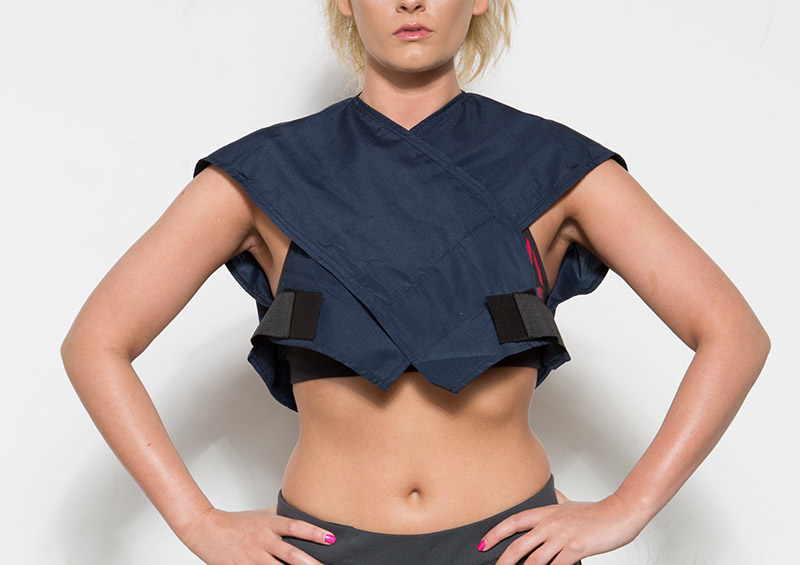
Cold exposure has gained significant attention in the wellness and fitness industry, with researchers and health enthusiasts exploring its potential impact on metabolism, energy expenditure, and overall well-being. One of the most discussed concepts in this field is cold thermogenesis, a natural process that occurs when the body responds to lower temperatures by generating heat. As interest in non-invasive wellness strategies continues to grow, statistical observations highlight a rising demand for cooling-based approaches that support healthy lifestyle goals.
What do current statistics suggest about the popularity of cold exposure methods?
Industry reports indicate that interest in cold-based wellness practices has increased steadily over the past few years. Search trends, wellness surveys, and fitness community engagement show a growing number of individuals exploring temperature-controlled recovery and metabolic support techniques. This trend reflects a broader movement toward natural methods that complement balanced nutrition and regular physical activity.
How does the body respond to cold temperatures?
When exposed to cooler environments, the body activates several physiological responses designed to maintain its core temperature. These responses may include increased energy usage, circulation adjustments, and heat production mechanisms. Research has shown that brown adipose tissue, commonly known as brown fat, can become more active during cold exposure. Brown fat is recognized for its ability to generate heat by utilizing stored energy.
Why are wellness professionals paying attention to this area?
Health and fitness professionals are increasingly interested in evidence-based strategies that encourage healthy metabolic function. Statistical analyses from wellness programs have shown that individuals often seek solutions that fit into their existing routines without requiring major lifestyle disruptions. Cooling technologies and structured cold exposure methods are frequently explored as part of broader wellness plans focused on consistency and sustainability.
What benefits are commonly associated with cold exposure practices?
Survey data from wellness participants frequently highlight several perceived benefits, including increased alertness, improved recovery experiences, and enhanced motivation to maintain healthy habits. While individual results vary, many users report positive experiences when cold-based practices are incorporated alongside proper exercise and nutritional planning.
What does the future look like for cold-based wellness trends?
Market analysts predict continued growth in the cold wellness sector as consumer awareness expands. Advances in wearable technology, temperature-regulation products, and educational resources are making cold exposure practices more accessible than ever. Statistics suggest that demand for innovative wellness solutions will remain strong, particularly among individuals interested in science-backed approaches to health optimization.
Final Thoughts
The growing popularity of cold exposure techniques reflects an evolving understanding of how environmental factors may influence wellness outcomes. As research continues to develop, statistical trends indicate that cold-based strategies will likely remain an important topic within the health and fitness industry. For individuals seeking modern approaches to support an active lifestyle, informed exploration of cold wellness practices may provide valuable opportunities for long-term health engagement.