



Visa Refusal Appeal Australia: Key Facts, Process, and Important Considerations
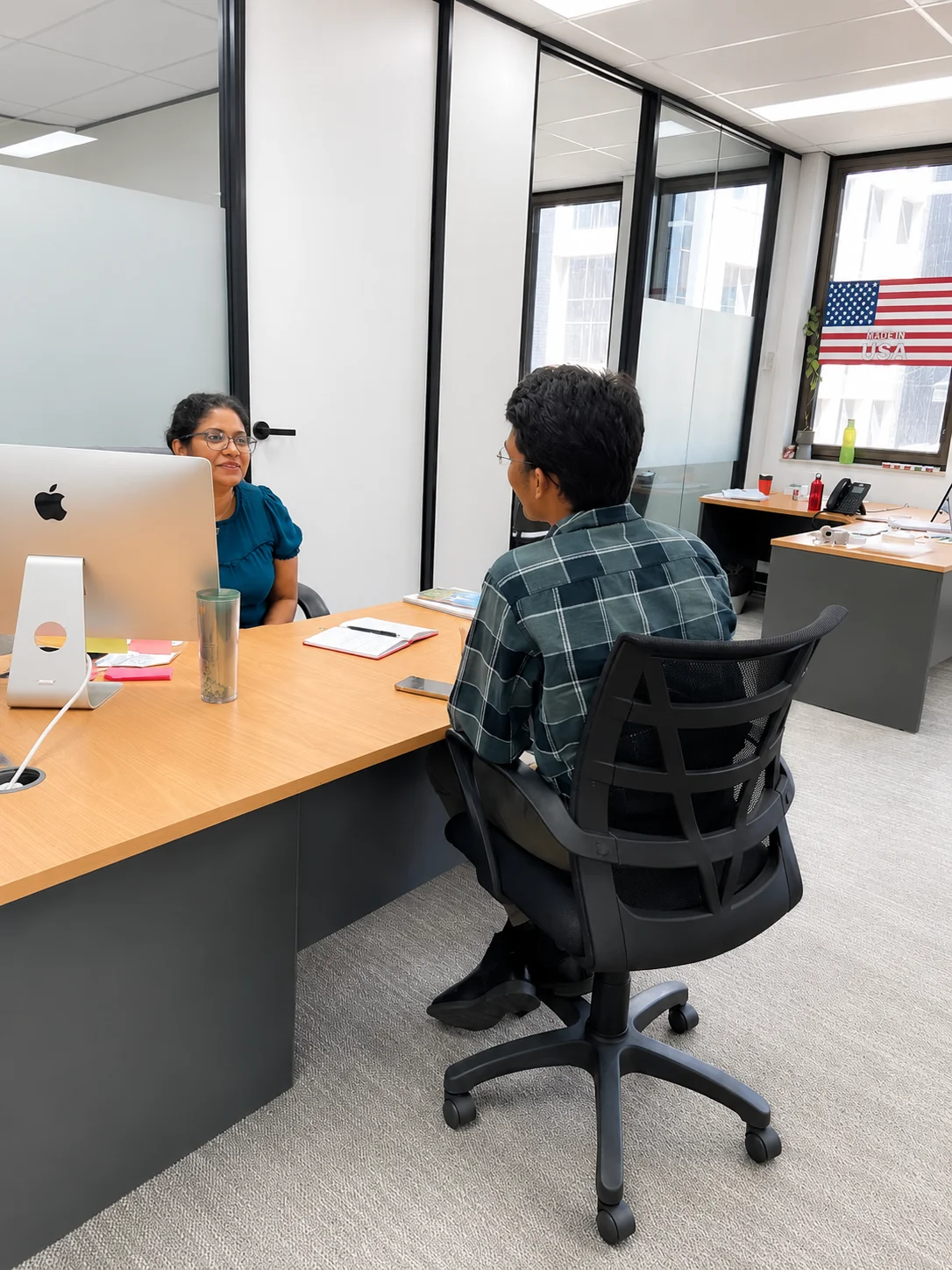
Receiving a visa refusal can be disappointing, but it does not always represent the end of your migration journey. Many applicants successfully seek a review when they understand the available options and prepare their case carefully. If you are considering a visa refusal appeal Australia process, learning how reviews work, what evidence may be required, and how timelines are managed can help you make informed decisions. A well-prepared application for review focuses on facts, supporting documents, and compliance with migration requirements rather than assumptions or incomplete information.
What Does a Visa Refusal Appeal Involve?
A visa refusal appeal generally refers to requesting an independent review of a visa decision when review rights are available. The reviewing authority examines the details of the original application, supporting documents, and the reasons provided for the refusal. The objective is to determine whether the original decision should remain in place or be changed based on the evidence presented.
Every case is different, and eligibility for a review depends on the visa category, the applicant’s circumstances, and applicable migration laws. Understanding your review rights at an early stage is often one of the most important steps.
Why Are Visa Applications Refused?
Visa refusals may occur for various reasons, including missing documentation, insufficient supporting evidence, eligibility concerns, or failure to satisfy specific visa requirements. In some situations, the decision may result from misunderstandings or incomplete information rather than deliberate mistakes.
Applicants who carefully review the refusal notice often gain valuable insight into the concerns raised during the assessment process. Addressing those concerns directly can strengthen a review application when permitted.
Who Can Request a Review?
Review eligibility depends on the type of visa application and the legal provisions attached to that visa category. Some applicants have review rights, while others may need to consider alternative migration pathways if a review is unavailable.
Understanding eligibility before preparing documents helps avoid unnecessary delays and allows applicants to focus on the most suitable course of action.
What Documents May Support a Review?
Strong documentation plays an essential role during a review process. Supporting evidence may include identity documents, employment records, educational qualifications, financial information, relationship evidence where relevant, and any additional material that addresses the refusal reasons.
Providing complete, accurate, and well-organized documents helps reviewers understand the circumstances more clearly and reduces confusion during the assessment.
How Important Are Deadlines?
Review applications are generally subject to strict time requirements. Missing the permitted timeframe may affect the ability to request a review, making prompt action essential after receiving a refusal notice.
Applicants should carefully read every instruction contained within the refusal decision and prepare the required documents as early as possible. Staying organized throughout the process can help prevent unnecessary complications.
Can New Evidence Be Submitted?
Depending on the applicable review process and legal framework, applicants may be able to provide additional information that was unavailable or not previously included. Relevant evidence that directly addresses the reasons for refusal may assist reviewers in gaining a more complete understanding of the case.
Each situation is assessed individually, making document quality and relevance far more valuable than simply providing a large volume of information.
How Can Professional Guidance Help?
Migration regulations can be detailed and subject to ongoing updates. Professional guidance helps applicants understand review procedures, prepare supporting evidence, identify documentation gaps, and present their circumstances clearly.
Experienced assistance also helps applicants avoid common administrative errors that could affect the progress of a review application.
What Should Applicants Avoid?
Applicants should avoid submitting inaccurate information, withholding relevant facts, or providing documents that cannot be verified. Consistency across all forms and supporting evidence is equally important, as discrepancies may create additional concerns during the review.
Taking sufficient time to verify information before submission helps maintain the credibility of the application.
What Can Applicants Expect During the Review?
The review process generally involves an assessment of the available evidence and the applicable migration legislation. Some matters may require additional information before a decision is reached, while others may proceed based on the documentation already provided.
Applicants should remain responsive to official communications and ensure their contact information remains current throughout the review period.
Final Thoughts
A visa refusal does not automatically close every opportunity available to an applicant. Understanding review rights, preparing accurate documentation, meeting required deadlines, and presenting clear supporting evidence all contribute to a stronger review application. Every migration matter has unique circumstances, making careful preparation one of the most valuable steps in the process. By approaching the review professionally and ensuring all relevant information is properly presented, applicants can move forward with greater confidence while following Australia’s established migration review procedures.