



Best Moving Company Tips for a Hassle-Free Move
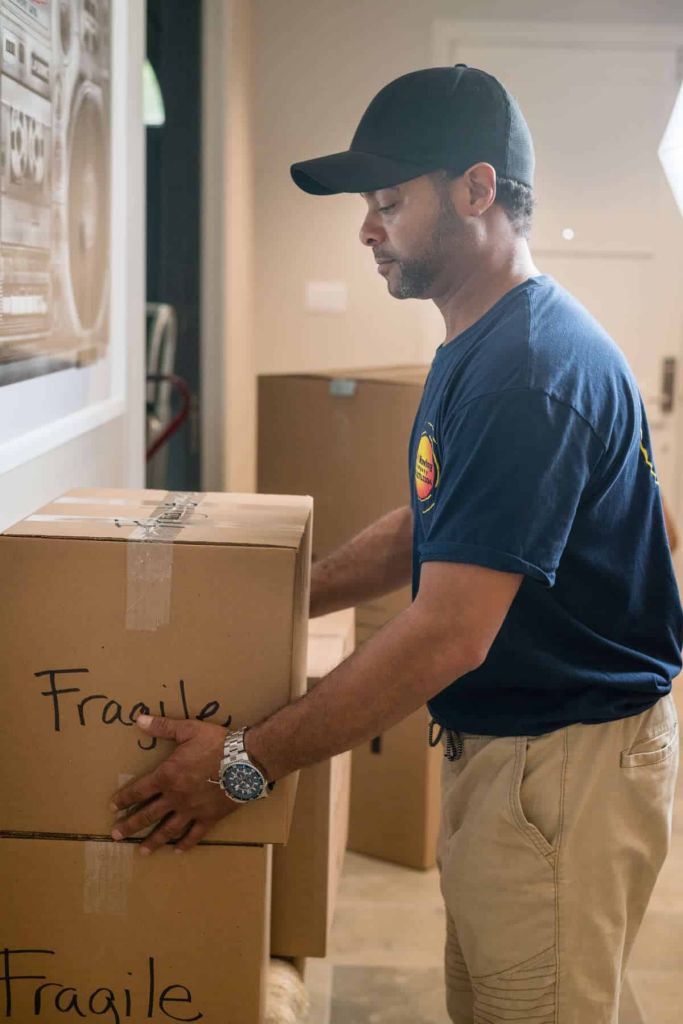
Moving to a new home ranks among life’s most stressful events, with surveys showing that 45% of people consider it more stressful than planning a wedding. The good news? A little preparation goes a long way. Choosing the best moving company and following a few smart strategies can turn a chaotic relocation into a smooth, manageable experience. Below, we answer the most common questions people ask before making their big move.
How early should you book a moving company?
Timing matters more than most people realize. Industry data shows that nearly 70% of all moves happen between May and September, which means demand peaks during these months. To secure your preferred date and avoid inflated prices, book your mover at least four to six weeks in advance. For summer moves or month-end deadlines, eight weeks of lead time is even better. Booking early also gives you room to compare quotes rather than settling for whoever has an open slot.
What should you look for in a reliable mover?
Reputation is everything in this industry. Around 30% of moving complaints filed each year relate to unexpected charges or damaged belongings, so vetting your company carefully pays off. Start by checking online reviews across multiple platforms, and confirm the company holds proper licensing and insurance. A trustworthy mover will happily provide its registration number, offer a written estimate, and answer questions about its claims process. Transparency during the quoting stage usually signals reliability on moving day.
How can you get an accurate moving estimate?
Vague quotes lead to nasty surprises. Studies suggest that movers who request an in-home or video survey provide estimates that are 20% more accurate than those given over the phone alone. Always ask for a written, itemized quote that breaks down labor, transportation, packing materials, and any additional fees. Be upfront about heavy items, staircases, or long carrying distances, since these factors affect the final cost. Comparing at least three detailed quotes gives you a clear sense of fair market pricing.
What is the best way to save money on a move?
Cost control starts with smart planning. Decluttering before you pack can shrink your inventory significantly, and since moving costs are often tied to weight and volume, this alone can cut your bill by 15% or more. Scheduling your move mid-week or mid-month, when demand drops, can also lower rates. If your budget is tight, consider a hybrid approach: pack your own boxes and let professionals handle the heavy lifting. Many companies offer flexible service tiers designed to match different budgets.
How do you protect your belongings during a move?
Damage prevention begins long before the truck arrives. Reports indicate that improperly packed items account for the majority of moving-related breakages. Use sturdy boxes, quality packing tape, and plenty of cushioning for fragile pieces. Label every box with its contents and destination room to speed up unpacking and reduce mishandling. For high-value items such as electronics or antiques, ask your mover about full-value protection coverage rather than relying on basic liability, which often reimburses only a fraction of an item’s worth.
What questions should you ask before signing a contract?
A few targeted questions can prevent costly misunderstandings. Confirm whether the quote is binding or non-binding, what the cancellation policy looks like, and how the company handles delays or claims. Ask who will actually perform the move, since some firms subcontract to third parties. Reading the fine print is essential, as roughly one in five disputes stems from terms the customer never fully reviewed. Clear communication upfront protects both your wallet and your peace of mind.
Make Your Next Move Stress-Free
A successful relocation comes down to preparation, research, and choosing a mover you can trust. By booking early, comparing detailed estimates, decluttering ahead of time, and asking the right questions, you set yourself up for a smooth transition into your new home. Treat your move as a project worth planning, and the entire process becomes far less daunting. With the right partner and a solid checklist, your next move can be the easiest one yet.