



Egypt Tour Packages from USA: A Season-by-Season Planning Guide
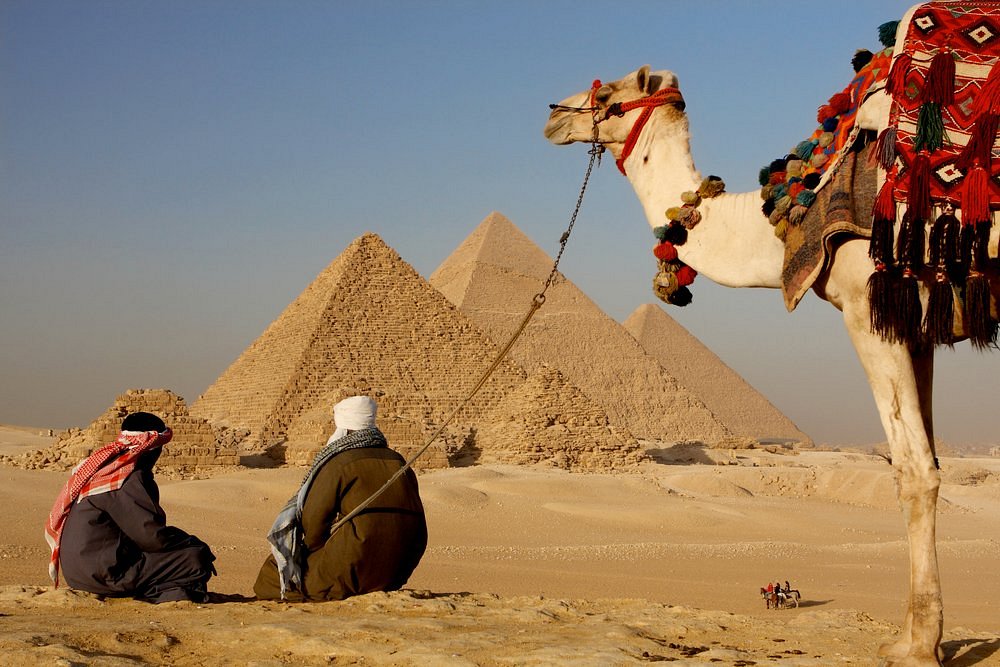
Egypt has one of the most predictable climates of any major travel destination—and for US travelers, that predictability lines up almost perfectly with the American calendar of holidays and school breaks. Knowing when to go, and what each season delivers, can significantly improve the quality and value of your trip. Understanding seasonal conditions is essential when comparing egypt tour packages from usa, as pricing, crowd levels, and on-the-ground comfort vary significantly across the calendar year.
Egypt’s Tourism Numbers Tell a Clear Story
Egypt welcomed 14.9 million international tourists in 2023, according to Egypt’s Ministry of Tourism and Antiquities. Of these, North American visitors accounted for a growing share, with American travelers ranking consistently among the top five source markets globally. The average American visitor now spends 9 to 12 days in Egypt—longer than the global average of 7 days—reflecting a preference for immersive, multi-destination itineraries.
Season-by-Season Breakdown for US Travelers
October to April: Peak and Sweet-Spot Months
Daytime temperatures of 20 to 25°C (68–77°F) make this the most comfortable travel window. October through early December and February through early April offer excellent weather with lighter crowds than the Christmas and Easter peaks.
December and January: Highest Demand
These months align with US Christmas and New Year holidays, making them the most-booked period for American travelers. Hotel rates run 15 to 25% above mid-season pricing, and availability at premium properties closes 4 to 6 months ahead.
May and September: Shoulder Season Value
Daytime temperatures climb to 30–33°C (86–91°F), and prices drop by roughly 15 to 25% compared to peak months. Early morning starts (before 8:00 am) at southern sites like Aswan and Abu Simbel make heat manageable.
June to August: Off-Peak, High Heat
Temperatures regularly exceed 35°C (95°F), with midday readings approaching 40°C (104°F) in Upper Egypt. Prices are the lowest of the year. This window suits experienced travelers who handle heat well and want near-empty monuments.
Matching US Holidays to Egypt’s Calendar
Thanksgiving Week: Shoulder-to-peak season in Egypt. A popular window for 10-day itineraries.
Christmas and New Year: Egypt’s most-booked American travel period. Book hotels and cruises 5 to 6 months ahead.
President’s Day (mid-February): Sweet-spot timing—comfortable temperatures, moderate pricing.
Spring Break (March–April): Peak Egyptian weather with high demand. Book early.
Independence Day (early July): Off-peak in Egypt with the lowest prices of the year, but extreme heat.
Frequently Asked Questions
What is the single best month for US travelers to visit Egypt?
November and February consistently rank as the most-balanced months: comfortable temperatures, competitive pricing, and manageable crowds. March and October are close alternatives.
Does Egypt get cold in winter?
Daytime temperatures in Cairo during December and January average 20–22°C (68–72°F). Evenings and early mornings can drop to 10–12°C (50–54°F), particularly in desert areas. Packing a light layer for evenings is recommended.
How hot does Egypt get in summer, and is it worth visiting?
Midday temperatures in Luxor and Aswan regularly reach 40°C (104°F) in July and August. Summer tourism has grown in recent years among travelers who schedule all outdoor sightseeing before 10:00 am and after 4:00 pm.
Are prices significantly higher during Christmas and Easter in Egypt?
Yes. Cairo’s 5-star hotels and premium Nile cruise vessels typically charge 25 to 50% above mid-season rates during Christmas/New Year week and Easter week. Booking 5 to 6 months ahead is essential for preferred properties during these windows.
What should I wear for an Egypt tour in summer versus winter?
Summer requires lightweight breathable cotton or linen, a wide-brimmed hat, high-SPF sunscreen, and a refillable water bottle. Winter touring calls for layers, as mornings and evenings can be noticeably cool, particularly at open-air desert sites.
Do Egypt tour packages account for weather in their itinerary design?
Good operators structure itineraries around seasonal conditions—scheduling Aswan and Abu Simbel visits earlier in the day during warmer months and adjusting the pacing of outdoor exploration accordingly. Discuss your travel dates with your planner to confirm that the itinerary is optimized for your specific season.
Align your travel dates with Egypt’s sweet-spot months when you can, and book early for any trip falling within the December–January or March–April windows.