


A Confident New Perspective: Your Essential Guide to Rhinoplasty in Korea
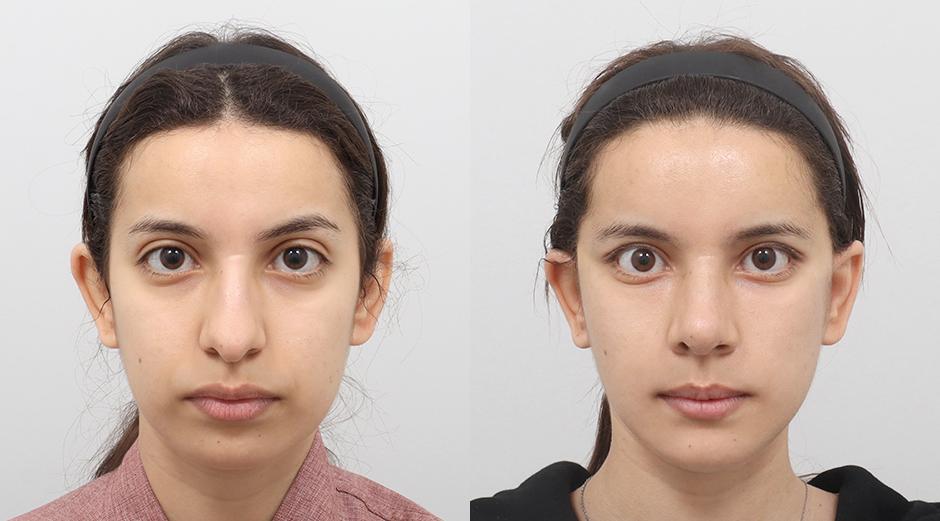
Modern rhinoplasty combines surgical technique with detailed facial analysis and individualized planning. For patients considering nose jobs in korea, the process can offer an opportunity to discuss aesthetic goals within a professional medical setting while also addressing structural and functional considerations. A well-planned journey should begin with consultation and continue through safety assessment, surgery, recovery, and appropriate postoperative support.
What makes the consultation the starting point?
Consultation gives patients an opportunity to explain what they want to improve and why. It also allows the surgeon to examine the nose and surrounding facial structures.
Important discussion points may include the nasal bridge, tip, nostril shape, profile, facial proportions, previous surgery, breathing concerns, and personal expectations. A detailed conversation helps establish whether the requested changes are suitable for the individual’s anatomy.
Why should natural facial characteristics be considered?
A nose should complement the face rather than exist separately from it. The ideal shape depends on facial width, eye position, cheek structure, lips, chin, and overall profile.
This means that an attractive result for one person may not be appropriate for another. Individualized design can help maintain a sense of facial identity while addressing the specific features that concern the patient.
What information should patients disclose?
Complete medical information is important before elective surgery. Patients should discuss existing medical conditions, medications, allergies, previous operations, previous nasal treatments, and any breathing difficulties with the medical team.
Accurate information supports safer planning and helps the surgeon understand potential factors that could influence the procedure or recovery.
What support can international patients receive?
Patients traveling from overseas may need additional assistance before and after their procedure. Communication and logistical planning can be particularly important when the patient is unfamiliar with the local healthcare environment.
AB Plastic Surgery says it offers international patient services that include online consultations, multilingual communication, dedicated medical interpreters, airport pickup, and accommodation assistance. The clinic also describes personalized support throughout the treatment journey.
How can patients evaluate a clinic’s safety approach?
Patients should ask how preoperative examinations are performed, who manages anesthesia, how vital signs are monitored, and what postoperative facilities are available.
AB Plastic Surgery lists an on-site board-certified anesthesiology and pain medicine specialist, real-time anesthesia monitoring, comprehensive pre-surgery safety checks, and specialized medical facilities as components of its safety system.
Does the procedure always have the same surgical approach?
No. Surgical planning depends on anatomy, goals, previous treatment, and the characteristics of the nose. Some patients may require refinement of particular structures, while others may need more extensive reconstruction.
This is why a consultation should precede any final decision. A surgeon can determine which approach is medically appropriate after evaluating the patient’s individual circumstances.
What is recovery generally like?
Recovery is a gradual process rather than an immediate transformation. Swelling, bruising, tenderness, and temporary congestion may occur, depending on the procedure and individual response.
Patients should follow postoperative guidance carefully. Physical pressure on the nose should be avoided when instructed, and follow-up appointments should be maintained so the medical team can monitor healing.
How should international patients plan their return home?
Travel should be planned around medical advice rather than convenience alone. Patients should understand when follow-up visits are recommended and how long they may need to remain near the clinic.
Before returning home, it is useful to clarify postoperative instructions, warning signs, medication guidance, and communication procedures for questions that may arise later.
What should patients remember about rhinoplasty?
Rhinoplasty is a medical procedure involving both aesthetic goals and anatomical considerations. Choosing a suitable treatment requires more than selecting a preferred image. It requires professional assessment, realistic expectations, safety awareness, and commitment to postoperative care.
For international patients, a clinic that provides structured communication and dedicated patient support can make the overall process easier to navigate. AB Plastic Surgery identifies itself as a Gangnam-based clinic serving international patients and providing personalized consultation and aftercare services.
Ultimately, the most meaningful goal is not simply a changed nose but a carefully considered result that fits the individual’s facial structure and personal sense of confidence. A thoughtful consultation is the first step toward making that decision with greater understanding and clarity.