


Wholesale Ube Powder: Frequently Asked Questions About Quality, Applications, and Sourcing
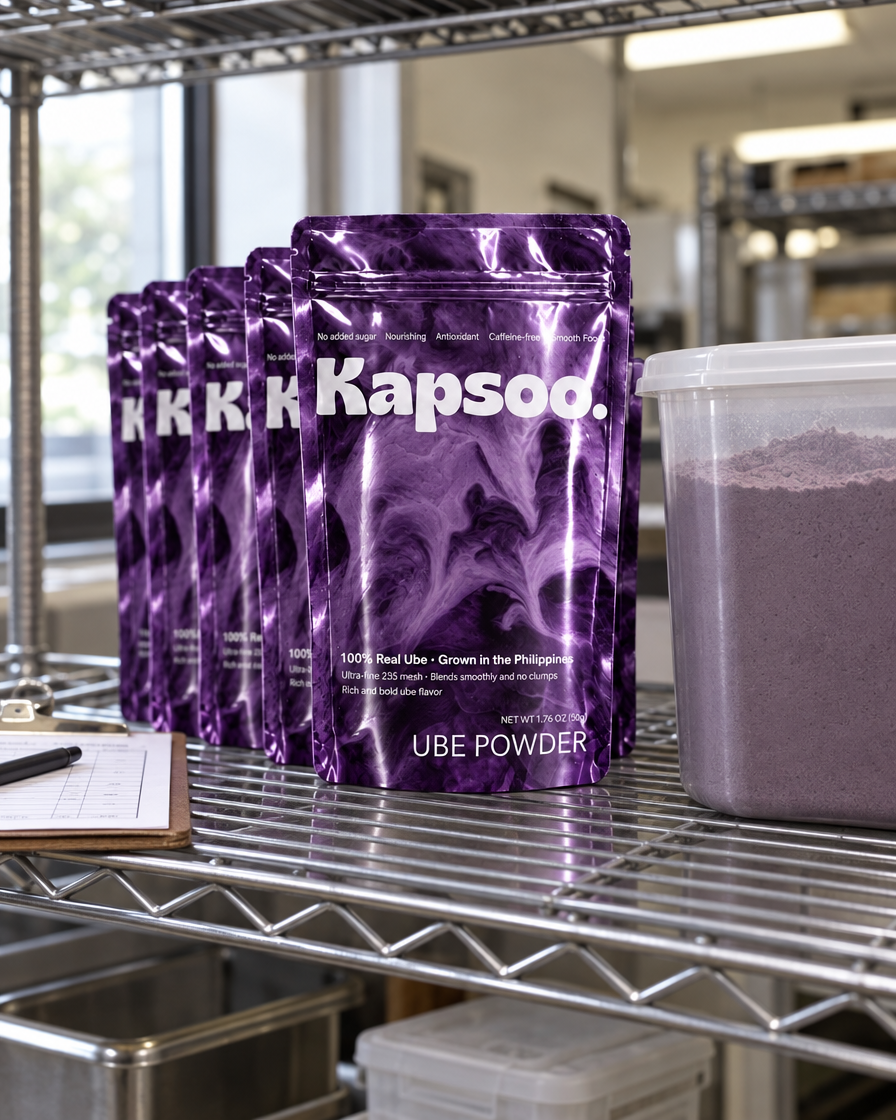
What Is Wholesale Ube Powder, and Why Is It Popular in Food Production?
Ube is a purple yam traditionally used in Filipino desserts and other sweet preparations, valued for its distinctive color, mild sweetness, and earthy, vanilla-like flavor. For bakeries, dessert makers, beverage businesses, and food manufacturers, Wholesale Ube Power represents an opportunity to incorporate this recognizable ingredient into a range of creative products while maintaining a consistent supply for ongoing production. Understanding the ingredient’s characteristics, processing requirements, and intended applications helps businesses determine how it can fit into their product development plans.
What Makes Ube Powder Useful for Commercial Kitchens?
Ube powder offers practical advantages for businesses that need a convenient ingredient for repeatable recipes. Compared with handling fresh yam, a powdered format can simplify storage, portioning, and preparation when used according to the supplier’s instructions. It can also make it easier to incorporate ube into dry mixes, fillings, dessert bases, and specialty beverage formulations.
Its naturally vibrant purple appearance can help businesses create visually distinctive products without relying entirely on artificial coloring. The final shade and flavor depend on the ingredient’s processing, concentration, and preparation method, so testing is important before introducing a recipe commercially.
Which Products Can Be Made With Ube Powder?
Ube powder can be incorporated into numerous sweet and specialty food applications. Bakeries may explore it in cakes, cookies, cupcakes, bread, pastries, and frosting. Dessert businesses can use it when developing puddings, ice cream, custards, fillings, and other confectionery products.
Cafés and beverage businesses may also investigate its suitability for ube lattes, milk-based drinks, smoothies, and dessert-inspired beverages. For packaged food manufacturers, it may serve as an ingredient in dry baking blends or prepared dessert mixes. Each application requires a suitable formulation, since moisture, temperature, acidity, and other ingredients can affect the final result.
How Should Businesses Evaluate Ube Powder Quality?
Product quality should be assessed through more than appearance alone. Businesses should review the ingredient description, source, processing method, flavor profile, color consistency, and intended use. Clear product specifications help buyers understand what they are purchasing and whether it suits their production requirements.
It is also useful to request information about ingredient composition, storage conditions, shelf life, and applicable food safety documentation. Where consistency is essential, businesses should establish internal testing procedures for color, taste, texture, and performance in finished recipes. These checks support more reliable production and help reduce unexpected differences between batches.
What Should Buyers Consider Before Placing a Wholesale Order?
Before selecting a supplier, buyers should estimate their expected consumption, storage capacity, production schedule, and preferred packaging format. They should also clarify minimum order requirements, lead times, shipping arrangements, and the process for handling damaged or unsuitable goods.
A suitable wholesale arrangement should support dependable replenishment without creating unnecessary inventory pressure. Businesses developing new products may benefit from evaluating a sample before committing to a larger supply. This approach allows recipe developers to assess the powder under actual production conditions and confirm that it meets their expectations.
How Can Ube Powder Be Stored Properly?
Storage practices influence the ingredient’s quality throughout its usable life. Powder should generally be kept in a cool, dry environment and protected from direct sunlight, moisture, and strong odors. Once opened, it should be transferred to an appropriate airtight container if the original packaging does not provide adequate protection.
Businesses should follow the supplier’s specific storage instructions, keep packaging clearly labeled, and use stock according to its recommended shelf life. Proper inventory rotation helps prevent older stock from remaining unused while newer supplies are opened.
Why Is Reliable Wholesale Sourcing Important?
A dependable source can help food businesses maintain recipe consistency, plan production, and respond to customer demand. Clear communication about specifications, availability, documentation, and delivery expectations also makes purchasing more predictable.
For businesses exploring ube-based products, selecting a supplier should involve a practical assessment of ingredient suitability and service reliability. By combining careful sourcing with recipe testing and appropriate storage, commercial kitchens can make ube powder a versatile component of their product range.

