


Flat Panel Shutters: A Timeless Detail for Classic Residential Exteriors
Some design decisions age gracefully. Others become dated within a generation. The challenge for any homeowner investing in their property’s exterior is identifying which details belong in the first category. Flat panel shutters have a long track record of belonging there — and the reasons behind their endurance are worth examining closely.
What Distinguishes Flat Panel Shutters from Other Shutter Styles?
Several shutter styles exist, each with its own visual character. Louvered shutters feature horizontal slats that allow airflow and partial light when open — a practical detail that reads as casual or coastal depending on the setting. Board-and-batten shutters carry a rustic, farmhouse quality. Raised panel shutters add depth and formality.
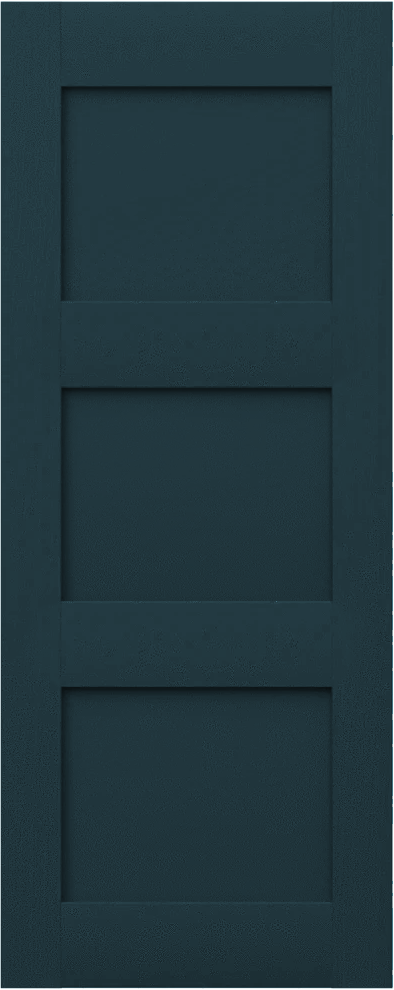
Flat panel shutters occupy a different position. Their surface is smooth and uninterrupted, which gives them a versatility that other styles lack. They read as formal without being stiff, traditional without being heavy, and simple without being plain. This balance makes them adaptable across a wider range of traditional home styles than almost any other shutter type.
Why Do Traditional Home Styles Specifically Benefit from Flat Panel Shutters?
Traditional residential architecture — Colonial, Federal, Greek Revival, Craftsman, and related styles — tends to be defined by restraint. Ornamentation exists, but it is purposeful. Every detail carries a reason, and excess is avoided in favor of proportion and symmetry.
Flat panel shutters respect this philosophy directly. They add definition to windows, reinforce the rhythm of a façade, and contribute to the symmetry that makes traditional homes feel composed. Because their surface is clean, they do not introduce a competing visual texture — they support the overall design language rather than complicating it.
How Should Flat Panel Shutters Be Installed for the Best Visual Result?
Installation details matter as much as material and color choices. Shutters mounted too far from the window frame — or spaced unevenly — immediately undermine the polished look that flat panels are capable of delivering.
Best practice places shutters as close to the window frame as possible, as though they could genuinely be closed. Hardware selection also contributes to the finished appearance: traditional-style hinges, pintles, and shutter dogs (the decorative S-shaped holdbacks) reinforce the architectural authenticity of the installation. These small details signal that care has been taken, which is precisely the impression traditional homes are designed to convey.
Are Flat Panel Shutters Appropriate for Interior Use As Well?
The answer is yes — and interior applications are growing in popularity. Flat panel shutters used as interior window treatments offer light control and privacy while maintaining a clean, built-in appearance. They pair naturally with traditional millwork, wainscoting, and paneled walls, making them a coherent choice for homes where interior and exterior design share a common language.
Beyond windows, flat panel shutter-style paneling is frequently used on walls, cabinetry, and furniture in traditional interiors. The style translates across scales and applications, which speaks to its fundamental design strength.
What Should Homeowners Consider Before Choosing Flat Panel Shutters?
The most important consideration is proportion. Shutters that are incorrectly sized — too narrow, too short, or mismatched to the window opening — will not deliver the visual result that makes flat panel shutters so effective. Taking accurate measurements and consulting with a supplier who understands traditional architectural proportions is time well spent.
Material selection follows closely. The climate where the home is located, the maintenance commitment the homeowner is willing to make, and the overall quality standard of the property all inform this decision. Wood offers the most authentic appearance; composite and PVC materials offer greater durability with less upkeep.
Finally, consider the long view. Flat panel shutters are not a trend-driven purchase. They are an architectural investment that should last decades. Choosing quality materials, correct proportions, and appropriate hardware ensures that the investment holds its value — and continues to contribute to the home’s character for years to come.
Traditional homes deserve details that honor their design. Flat panel shutters, chosen thoughtfully and installed with care, do exactly that.